Introduction
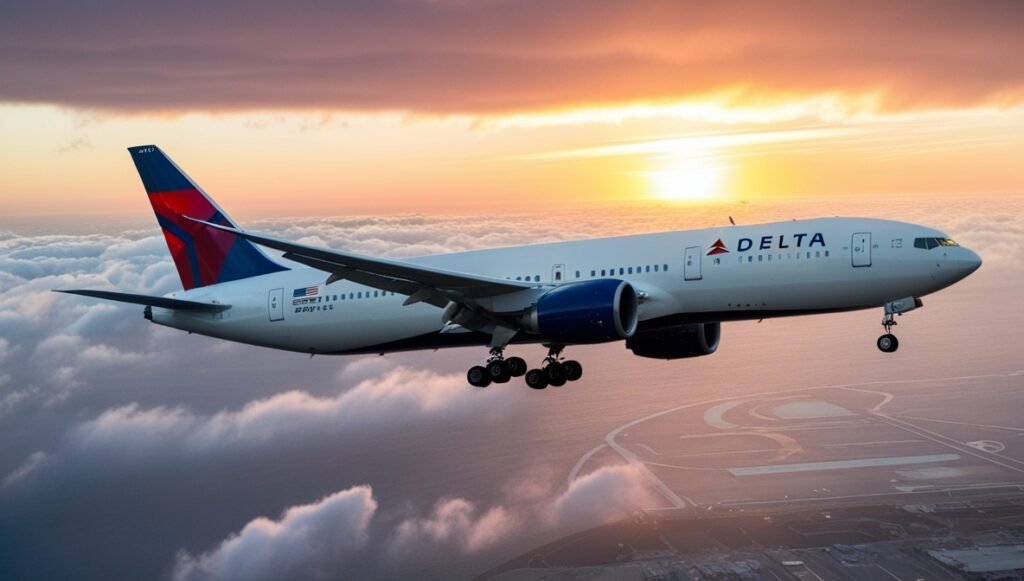
Imagine being on a long flight from Tokyo to the United States when suddenly the pilot announces: “We are diverting.” That is exactly what happened on Delta Flight DL275, which unexpectedly made a turn to LAX (Los Angeles International Airport). For many passengers, the announcement was confusing and even a little scary.
In this article, we will explore why Delta Flight DL275 diverted to LAX, how the airline and crew handled it, what passengers experienced, and what the incident means for air travel safety. We’ll also look at how diversions work, how airlines make decisions, and what lessons can be learned. By the end, you’ll understand not just what happened, but why it was the safest decision for everyone on board.
What Is Delta Flight DL275?
Delta Flight DL275 is a long-haul flight connecting Japan and the United States. It usually flies from Tokyo to a U.S. hub, carrying a mix of business travelers, tourists, and families. The flight is important for Delta because it connects major markets and provides a reliable route for international travelers.
The aircraft used is likely a large, wide-body plane designed for long-distance flights, with systems that allow it to fly safely over oceans. These planes carry enough fuel for extended flights and have advanced safety systems, which are crucial for transpacific travel.
Background: Why Does DL275 Fly to Japan?
Delta operates flights like DL275 to Japan because the route is both popular and strategic. Japan is a hub for business, tourism, and cultural exchange, and flights like DL275 help connect passengers across continents.
The flight serves many types of travelers: business professionals heading to meetings, tourists exploring new places, and families visiting relatives. Because the passengers rely on the flight to reach their destination safely and on time, any disruption can have a major impact.
Long-haul operations like this require precise planning, highly trained crews, and aircraft capable of operating safely in extreme conditions. This makes diversions a rare but serious event that airlines prepare for in advance.
The Diversion: What Happened on That Day
During the flight, while cruising over a remote area, the crew noticed a problem with the aircraft’s anti-ice system, which is essential for safe operation in cold weather. After assessing the situation, the pilots decided it was safer to divert to a nearby airport instead of continuing to the original destination.
The chosen diversion airport was Los Angeles International Airport (LAX). The aircraft landed safely, and passengers were taken care of while technicians inspected and repaired the system. The flight was delayed for several hours, but safety remained the top priority.
Why LAX? Why Not a Closer Airport?
People often wonder why LAX was chosen instead of a closer airport like Anchorage or Seattle. There are several reasons:
- Maintenance Capabilities – LAX has strong technical support and trained mechanics for the specific aircraft type, making it the best place for repairs.
- Passenger Logistics – LAX is a major hub with connections to many destinations. Rebooking passengers from a diversion here is easier.
- Runway and Safety Infrastructure – LAX has long runways and emergency services equipped to handle wide-body aircraft safely.
- Risk Assessment – Diverting to a hub with proper facilities is safer than continuing to the original destination over remote areas with potential technical issues.
Safety Protocols and Decision Making
Airlines follow strict procedures when technical issues arise:
- Detection – Pilots monitor systems closely and identify any malfunctions.
- Communication – Pilots inform airline operations and air traffic control to coordinate the best diversion.
- Fuel Management – Ensuring enough fuel to reach the diversion airport safely, including reserves, is critical.
- Risk Assessment – Over remote regions, any technical problem is more serious, so the safest airport is selected.
- Passenger Communication – Keeping passengers informed helps manage anxiety and maintain calm.
- Landing Preparation – Emergency services are on standby, even if the situation is precautionary.
- Post-Landing Checks – Technicians inspect the issue and perform necessary repairs.
- Ground Support – Airlines handle rebooking, accommodations, and care for affected passengers.
Passenger Experience During the Diversion
For passengers on DL275, the diversion was likely a mix of anxiety and relief:
- Initial Reaction – Hearing that the flight is diverting can be alarming.
- Crew Communication – Clear and calm updates help passengers understand the situation.
- Landing at LAX – Passengers likely appreciated the smooth landing and support provided on the ground.
- Accommodation and Care – Meals, hotels, and rebooking help reduce discomfort caused by delays.
- Emotional Impact – While some passengers were frustrated by delays, many felt reassured by the crew’s professionalism.
Overall, a well-handled diversion can leave passengers impressed by the airline’s safety measures.
Operational Challenges for Delta
A diversion has multiple challenges for airlines:
- Financial Costs – Extra fuel, landing fees, and maintenance costs add up quickly.
- Resource Allocation – The plane sits idle while repairs are made, affecting other flights.
- Reputation – Airlines must balance safety and passenger satisfaction to maintain trust.
- Network Disruption – Rebooking passengers can impact other flights and schedules.
- Regulatory Reporting – Airlines may need to document incidents for aviation authorities.
Despite the challenges, safety always comes first, and airlines are prepared to manage these events.
Impact on the Airline Industry
The DL275 diversion highlights several important aspects for the airline industry:
- Emphasis on Safety – Airlines prioritize passenger safety over schedule adherence.
- Importance of Predictive Maintenance – Early detection of technical problems can prevent diversions.
- Cost of Diversions – Diversions are expensive but necessary for safety.
- Role of Major Hubs – Having well-equipped hubs ensures efficient handling of emergencies.
- Passenger Trust – Transparent and professional handling of diversions builds confidence in airlines.
- Technology Adoption – Airlines may invest in advanced monitoring systems to reduce risks.
Events like this influence both airline operations and passenger expectations.
Lessons Learned — For Airlines and Passengers
For Airlines:
- Invest in Predictive Maintenance – Use data to detect issues before flights.
- Diversion Infrastructure – Ensure hubs have skilled staff and spare parts.
- Crew Communication – Train crew to keep passengers informed during diversions.
- Financial Planning – Budget for costs of emergency landings.
- Transparency – Share clear post-incident updates with the public.
For Passengers:
- Be Mentally Prepared – Diversions are rare but possible.
- Know Your Rights – Understand airline policies for care and rebooking.
- Track Flights – Apps can help you stay informed about your route.
- Be Flexible – Changes in plans may happen, so patience helps.
- Provide Feedback – Sharing experiences helps airlines improve services.
What Delta Said – Official Response
Delta stated that the diversion was precautionary, prioritizing passenger safety. The airline arranged technical inspections, repairs, and care for passengers, including rebooking and accommodations. The aircraft was grounded for several hours to ensure that all systems were functioning correctly. There were no injuries, and the situation was handled professionally by the crew. Delta is expected to review the incident to prevent similar problems in the future.
How Often Do Diversions Happen?
Diversions are more common than many passengers realize. They can happen for:
- Technical issues, like engine or system malfunctions.
- Weather conditions that make the original destination unsafe.
- Medical emergencies on board.
- Airspace restrictions or other operational issues.
While diversions can be inconvenient, airlines treat them seriously and use them as learning opportunities for improving safety and procedures.
Future Outlook — Will Flights Like DL275 Change?
The DL275 diversion may influence future airline operations:
- Predictive Maintenance – Airlines may invest more in monitoring systems.
- Digital Twin Technology – Virtual aircraft models may help detect issues before flights.
- Diversion Planning – Airports and hubs may be chosen more strategically.
- Safety Protocols – Training for crew may be enhanced for emergency decision-making.
- Passenger Communication – Airlines may adopt better communication tools to keep passengers informed.
- Hub Development – Strengthening maintenance capabilities at key hubs can reduce the impact of diversions.
Overall, this event is a case study in balancing safety, operations, and passenger care.
Frequently Asked Questions (FAQs)
Q1: Why was Delta Flight DL275 diverted to LAX?
A1: The flight diverted due to a suspected anti-ice system malfunction. The pilots chose the safest airport with proper facilities.
Q2: Is it safe when a plane diverts mid-flight?
A2: Yes. Diversions are often precautionary. Pilots follow strict procedures and select airports that can handle emergencies.
Q3: How do airlines choose a diversion airport?
A3: They consider safety, technical support, runway length, passenger connections, and fuel availability.
Q4: Did passengers face long delays because of the diversion?
A4: Yes, the aircraft was grounded for several hours for repairs. Passengers were accommodated and rebooked on other flights.
Q5: Does Delta pay compensation for diversions?
A5: Airlines usually cover care, such as meals and accommodation, rather than direct financial compensation for technical diversions.
Q6: Do diversions happen often?
A6: They happen occasionally due to technical, weather, or medical reasons. Airlines plan for them as part of normal operations.
Conclusion
The Delta Flight DL275 Japan diversion to LAX shows how airlines prioritize safety over schedules. While passengers experienced delays and inconvenience, the crew’s careful decisions ensured a safe landing. Diversions, though disruptive, highlight the importance of training, planning, and communication in air travel.
For travelers, it’s a reminder to stay calm, be prepared for changes, and trust that airlines are equipped to handle unexpected situations. For the industry, it is a chance to learn, improve technology, and strengthen passenger confidence.
Next time you hear “we are diverting”, remember it’s a sign that safety comes first — and that Delta Flight DL275 is a story of careful decision-making in action.